Internet Shutdowns and the Law
When governments order the internet off: legal justifications, international law, accountability, and why no VPN can restore a full shutdown.
Every article in the Atlas, newest first. Each one is written to be useful on its own and linked to the ones around it.
27 articles in the Atlas
When governments order the internet off: legal justifications, international law, accountability, and why no VPN can restore a full shutdown.
How laws restrict VPNs without always banning them outright: blocking obligations, app store pressure, licensing, and the gap between regulation and technical blocking.

Inside China's Great Firewall in 2026: DNS poisoning, SNI and QUIC filtering, VPN crackdowns, and what still gets through.

Inside Iran's internet controls in 2026: national shutdowns, DNS and SNI filtering, throttling, tiered access, and what still gets through.

How Russia filters the internet in 2026: TSPU inspection, VPN blocking, mobile whitelist shutdowns, and what still gets through.
Hysteria2 is a QUIC-based proxy built for lossy links. What its congestion control, HTTP/3 masquerade and obfuscation buy, and where each one stops.
Encryption hides what you said. Obfuscation hides that you said it. Two independent axes with different failure modes, and most protocols carry only one.
Censorship resistance is a property of six layers, from the bytes on the wire to the cloud provider, the CDN, and the response to a probe. Protocol is one of them.
A tunnel that worked yesterday can stop working with no change on your side. The documented record shows four distinct causes, and only one of them is the censor.

Download and install Happ or INCY on Android, iOS, Windows, macOS and Linux, then add your Maronix subscription by link or QR code.
Maronix is a privacy project in launch mode: VLESS inside REALITY, independently run servers, Telegram-first access and a trial sized for real use.

VLESS brings no encryption of its own and REALITY borrows a real site's handshake. Why Maronix pairs them, what each contributes, and what stays exposed.

A VPN brand tells you little about who runs it. Three real ownership structures, what each can and cannot do, and why the name on the app is the least informative part.

What an internet shutdown is, who orders one, and what the record shows: 313 documented shutdowns across 52 countries in 2025, the highest since tracking began in 2016.
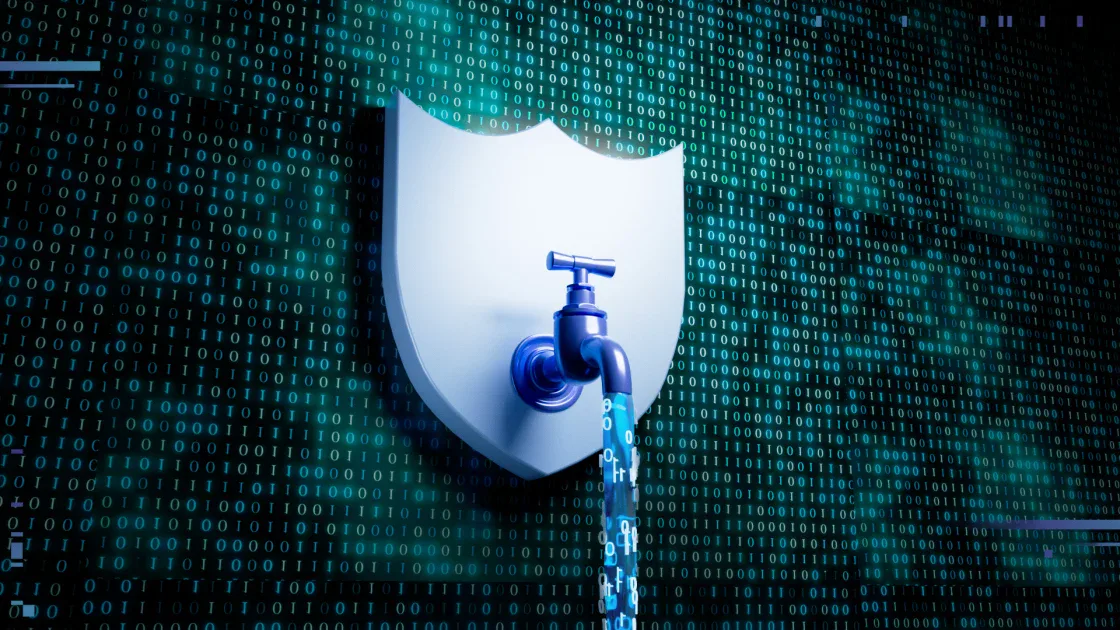
Four things can keep leaking while a VPN looks connected: your real IP, your DNS resolver, IPv6, and WebRTC. How to test each one, and where browser-only leak tests mislead.

Choosing a VPN means choosing which party you trust, and how much. A decision procedure: which properties matter for your threat model, and which only sound reassuring.
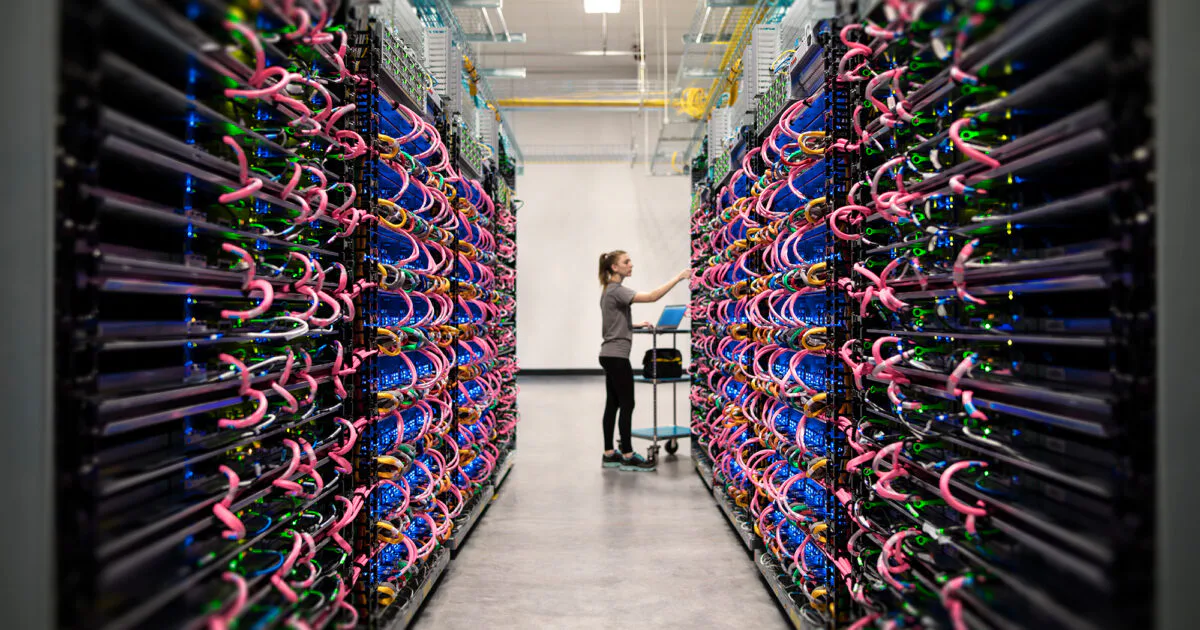
Every VPN server is rented hardware in a building someone else owns. Follows the chain from your device to the disk, and what real seizure cases revealed.
Privacy is about what is known about you. Anonymity is about who you are. Almost everyone who wants the first is told they should want the second.

A proxy hides one connection, a VPN hides your whole route, and Tor hides who you are. Where each one wins, what each one costs, and how they differ.

Without a VPN your ISP can see every domain you look up and every server you connect to. It cannot read HTTPS pages. The difference matters more than it sounds.
A VPN protocol is a specification for a tunnel. Here is what the main ones actually decide, how they differ, and why the choice is a censorship question.

A VPN builds an encrypted tunnel between your device and a server you choose, so the network in between carries ciphertext. What that hides, and what it does not.

Censorship is not one thing. It is DNS, ports, TLS names, packet inspection and active probing. Five layers, each answering a different question about your traffic.

REALITY replaces a proxy server's TLS with a real site's handshake, so a prober gets a genuine certificate. How it works, and what it does not solve.